21 Jun 2026
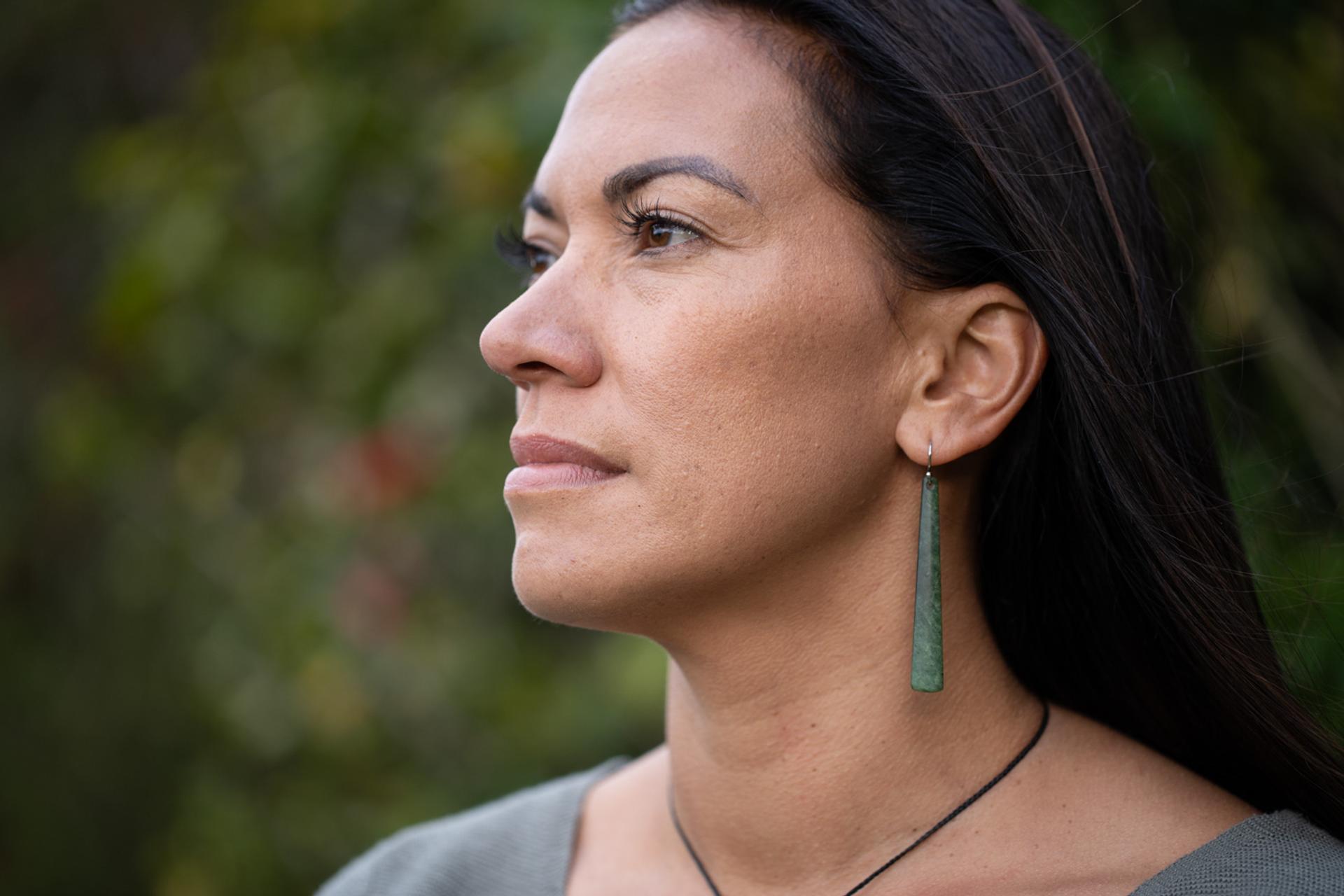
An exclusive collection of nine wearable pounamu sculptures. Inspired by Matariki, each piece represents a star from the Matariki cluster.
This collection will be on display at Mānawa Bay from Tuesday 23 June to Sunday 19 July, before moving to our Rotorua store from 20–29 July. Pieces may be purchased throughout the exhibition period and will be delivered once the exhibitions have concluded.
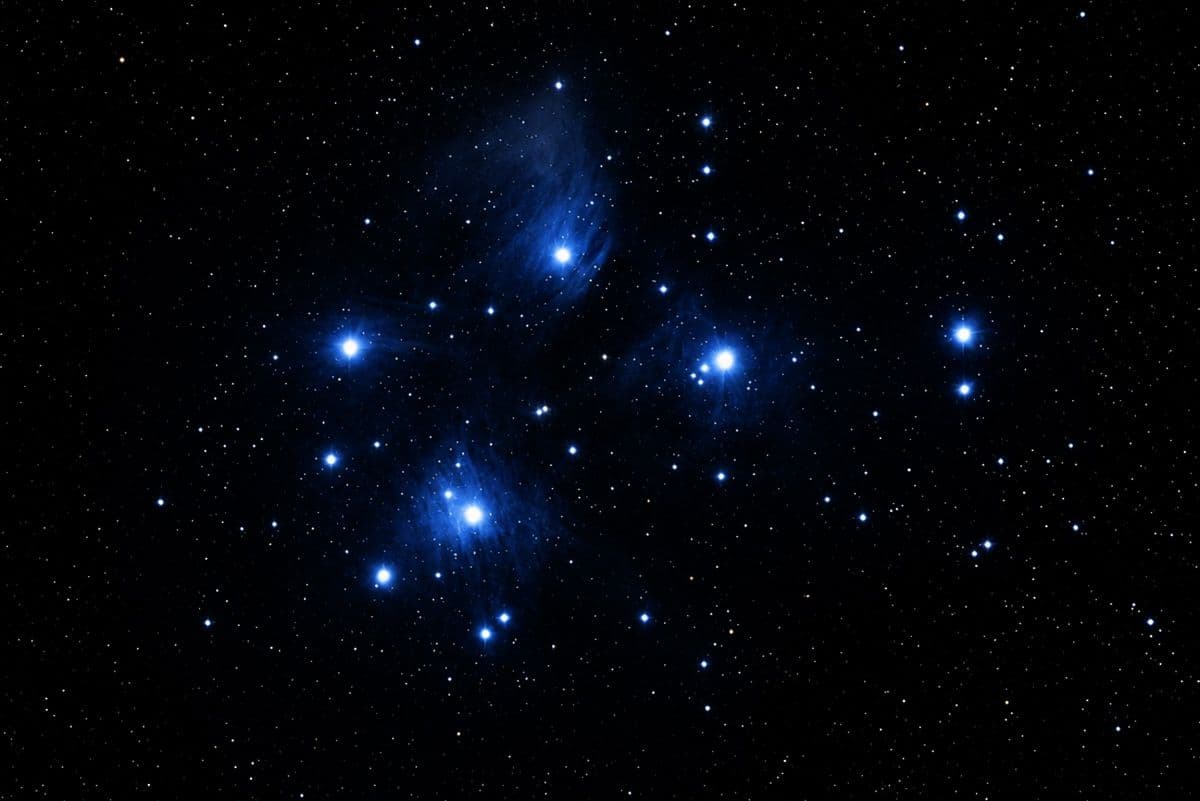
For many Māori, the mid-winter reappearance of the Matariki star cluster (also known as Pleiades) marks the beginning of the Māori New Year. Its rising is a time for remembrance, reflection, celebration, and the setting of intentions for the year ahead.
In Māori tradition, Matariki is comprised of nine whetū (stars), each holding responsibility for different aspects of the natural world. The stars are not viewed in isolation, but as part of a collective. By observing their brightness, clarity, and relationship to one another, people could gain insight into the abundance of food sources, the wellbeing of the environment, and the conditions the coming year might bring.
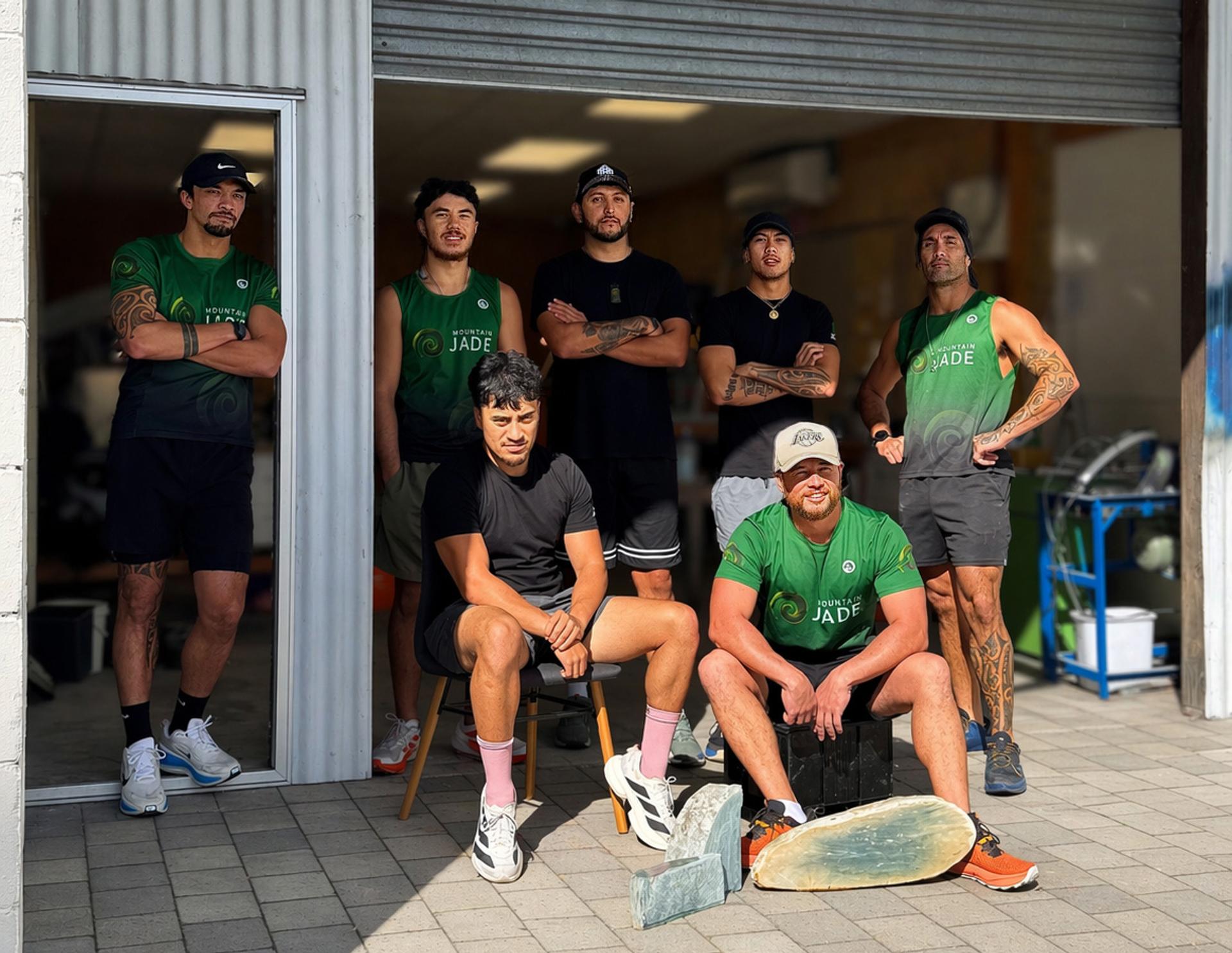
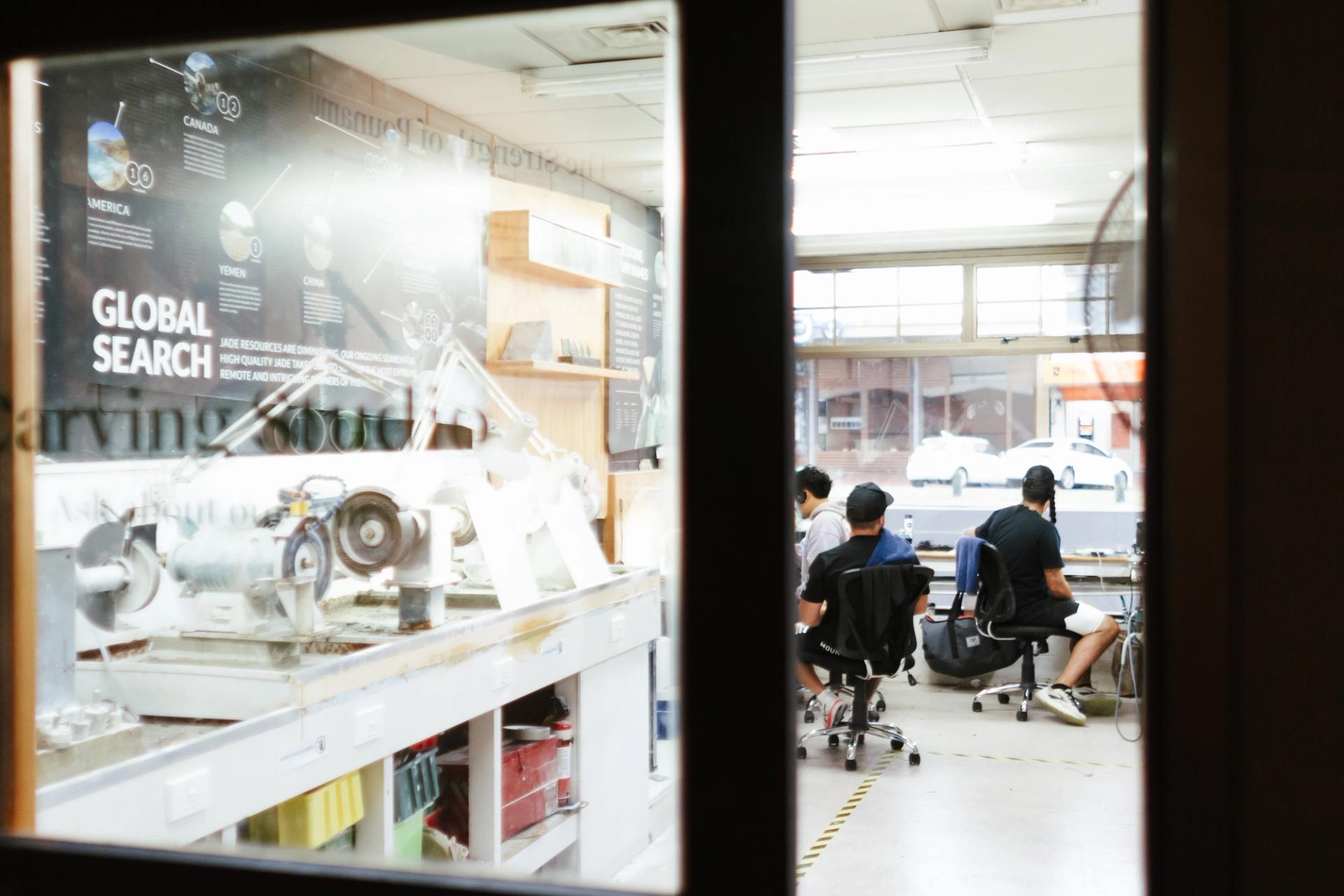
In celebration of Matariki, our eight Māori carvers from our Rotorua carving studio have created a bespoke limited-edition collection inspired by the whetū of Matariki. Through pounamu, each piece explores the pūrākau (stories), values, and connections embodied within the star cluster, honouring both ancestral knowledge and the relationship between people, place, and the natural world.
🌟 View remaining pieces available for purchase or view other pieces from these same artists.
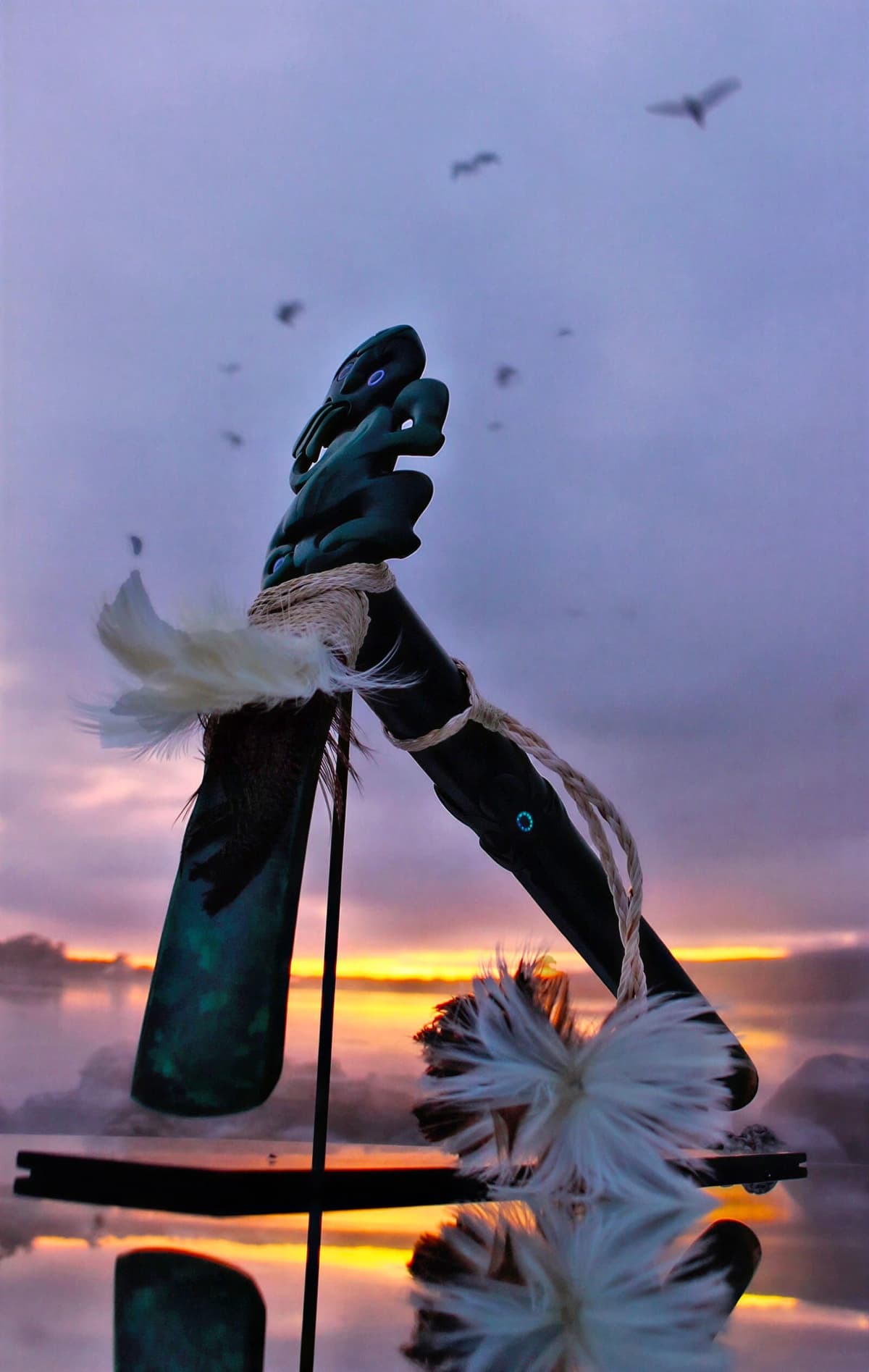
Matariki is the mother star of the cluster, her presence in the winter sky is a tohu of collective wellbeing, good fortune and the paths we shape, guided by those who came before us.
Ko te whitinga o Matariki he tohu o te hokinga mai o ngā matua tuarangi ki a tatou, ehara i te timatanga o te tau hou noa.
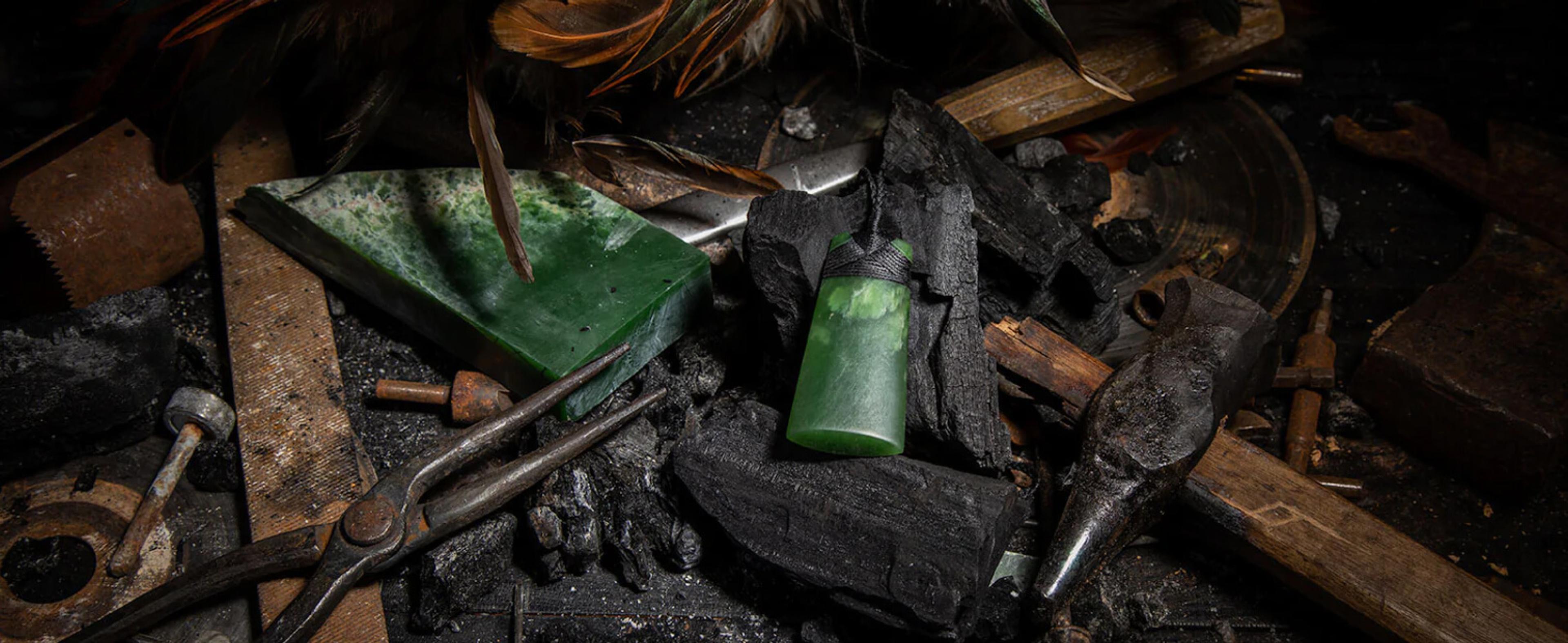
Like Matariki, this Toki Poutangata holds what cannot be spoken - the breath of our ancestors and the responsibility to uphold the mana of our living culture.
The toki has always been more than a tool. As a Toki Poutangata, it embodies leadership and knowledge, and a question passed from one generation to the next: what have you shaped, and what have you left standing?
At Matariki, we look up to the stars in remembrance, and to the whenua to remain grounded - ‘Te Whitinga o Matariki’ resides in that space between.
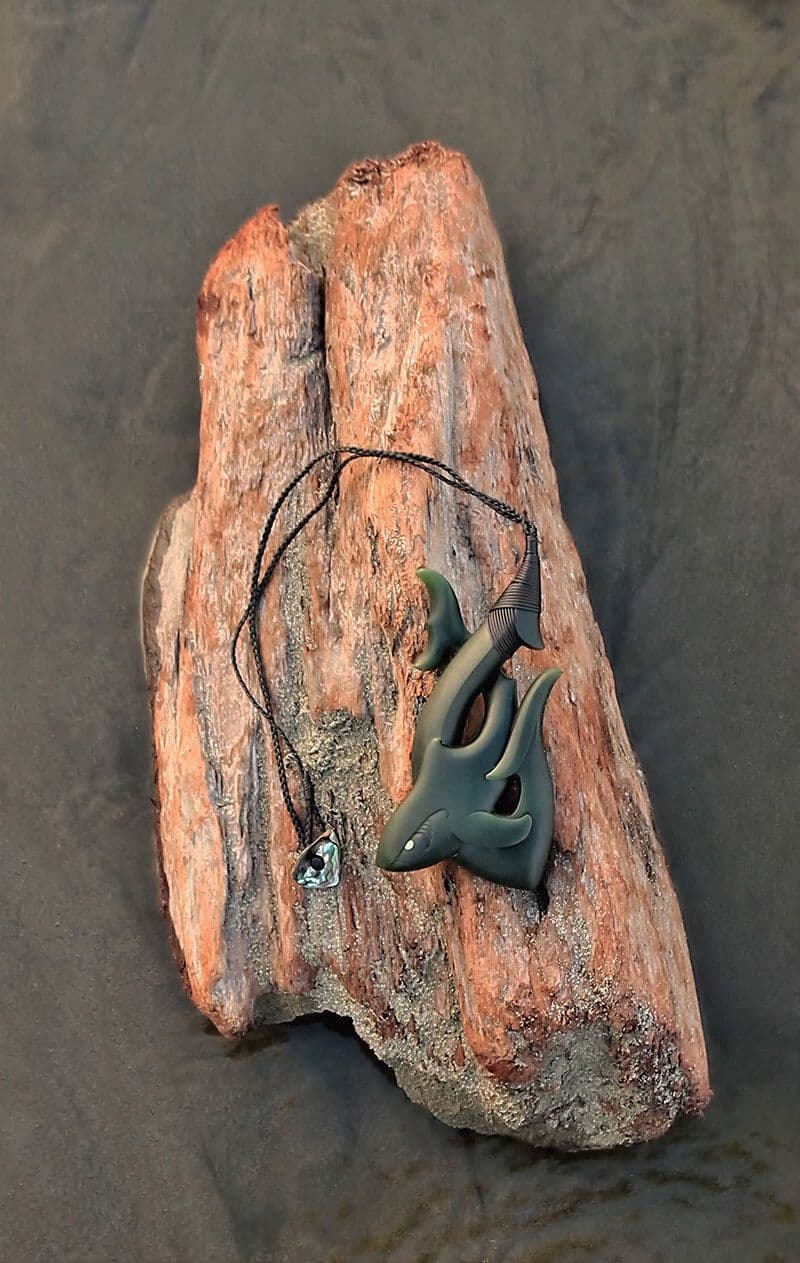
Waitā is the whetū connected to the vast and shifting waters of the moana, and all kai gathered from it. Waitā is the balance between people and the ocean, and the responsibility to protect what cares for us.
Within this domain, the mako moves with precision. An embodiment of speed, awareness, and resilience, Mako have long been revered for their courage and leadership. Across many iwi, the shark is praised for its unrelenting spirit in the face of challenge.
Paired with the hei matau, a symbol of mātauranga and prosperity, this wearable sculpture honours the knowledge and resilience required to journey through the changing currents of Waitā.
Mako by Tamaora Walker (SOLD)
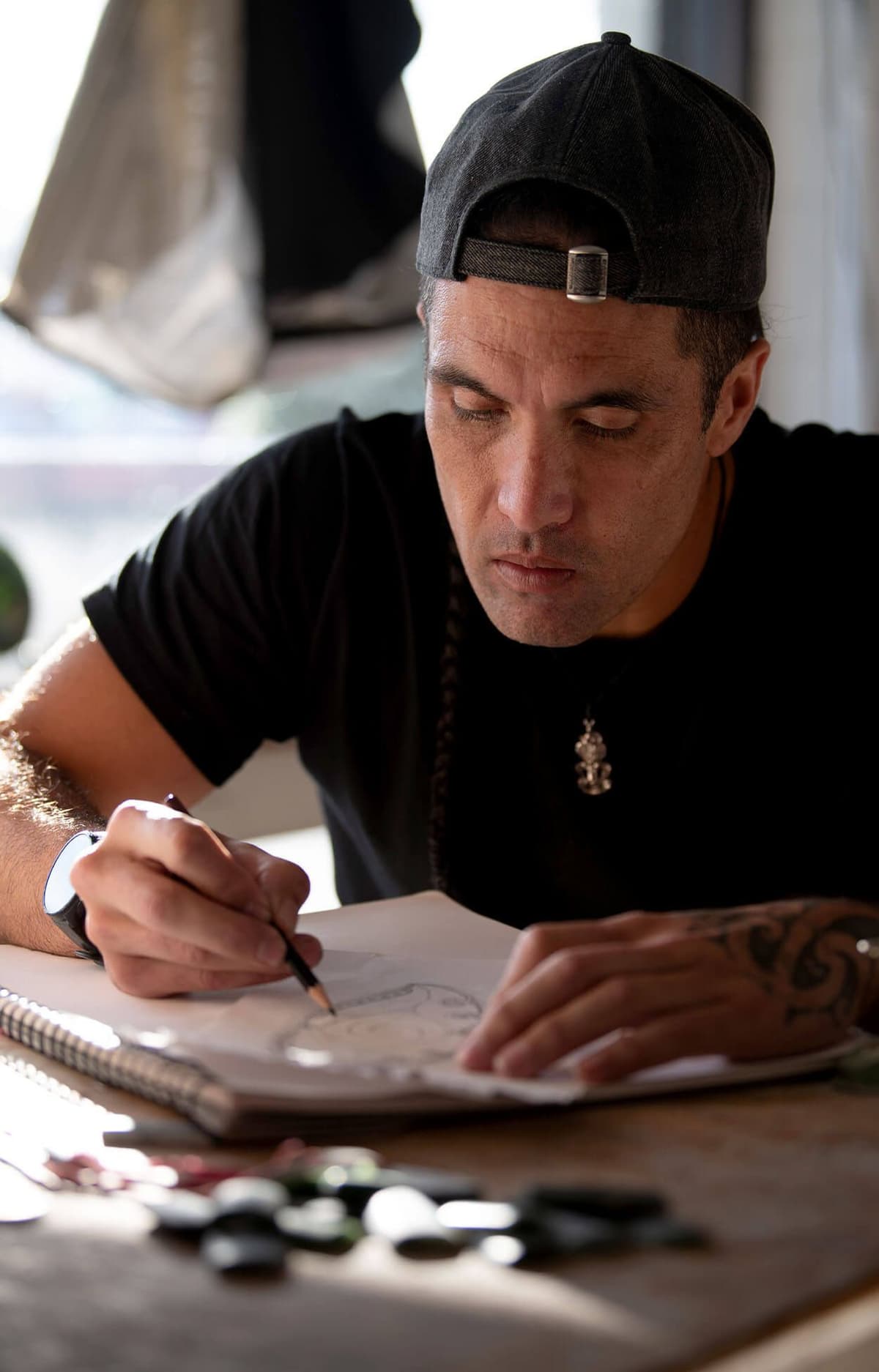
“Each piece carved by one of our own, renowned Rotorua Māori jade carvers”
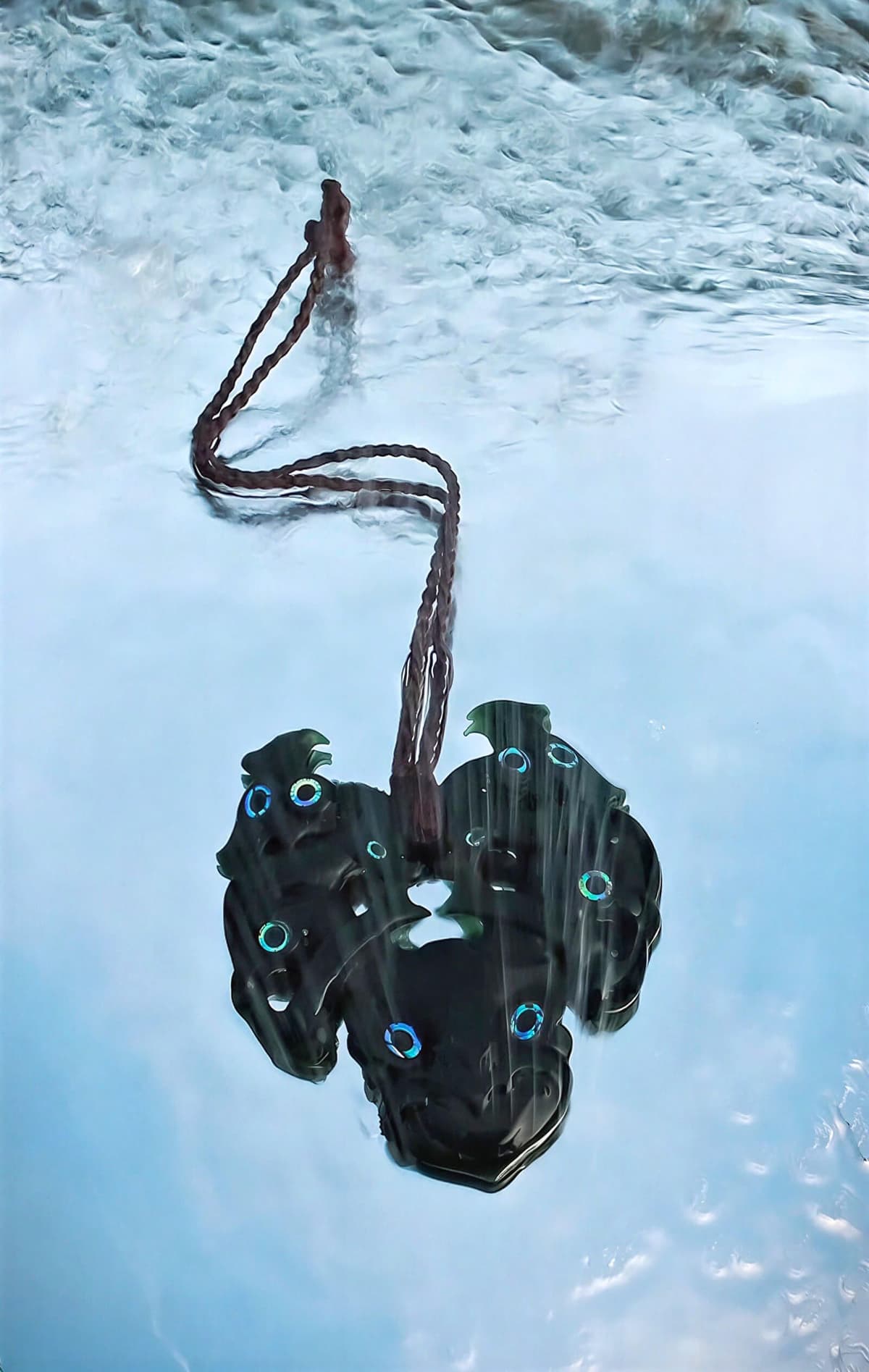
Waipunarangi directly translates to, “water that pools the sky”. As her waters fall, they nourish the whenua and sustain all forms of life. In doing so, they touch the domains of all other whetū, reminding us that nothing exists in isolation, but in relation with one another.
Te Huihuinga speaks to this interconnectedness. The wheku embodies Matariki, the mother star. Surrounding her, each manaia represents an individual whetū, distinct in their own purpose, yet joined as a collective.
Like Waipunarangi, who shifts between the upper and lower realms, Te Huihuinga reflects the threads of mauri that bind us together. Its symmetry and interlocking shapes are a reminder that through whakapapa, collective purpose and connection between our people and our environment, we are strongest when we reconnect and gather as one.
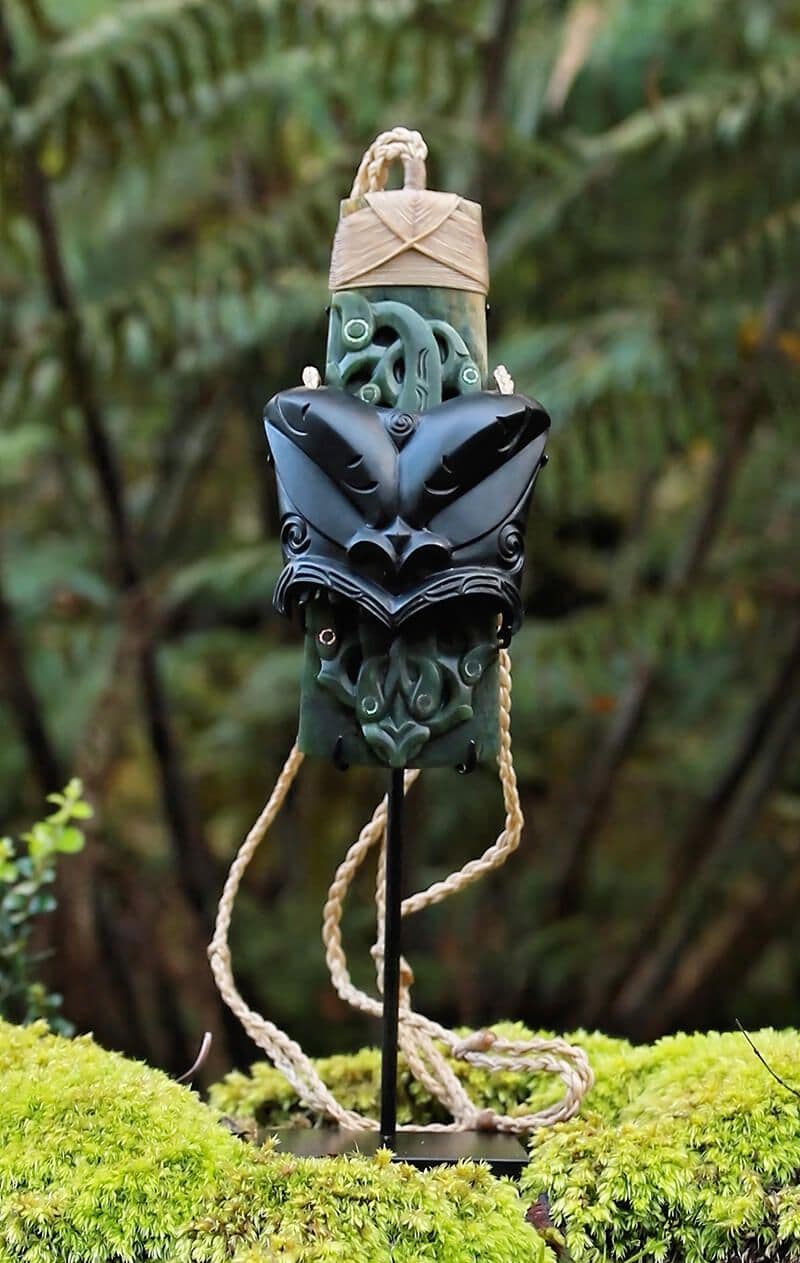
Following the separation of Ranginui and Papatūānuku, one of their children, Tāwhirimātea, atua of the winds and storms, was overcome with grief. In his sorrow, he tore out his eyes, crushed them and cast them into the upper realm, where they became the cluster we know now as Matariki - an abbreviation of ‘Ngā mata o te Ariki Tāwhirimātea’, The eyes of the Atua, Tāwhirimātea’.
As he stands, Tāwhiri, depicted as a wheku without eyes, symbolises a world experienced beyond sight, where guidance is felt through intuition and ancestral connection. It is a reminder that even in darkness, we are never without direction.
Forming the backbone of the wheku is a toki, from which the stars of Matariki emerge as manaia, they journey above the protection of the mokomoko. Together, these forms speak to resilience in the face of adversity and the enduring presence of inherited guidance, illuminating pathways through darkness and into renewal.
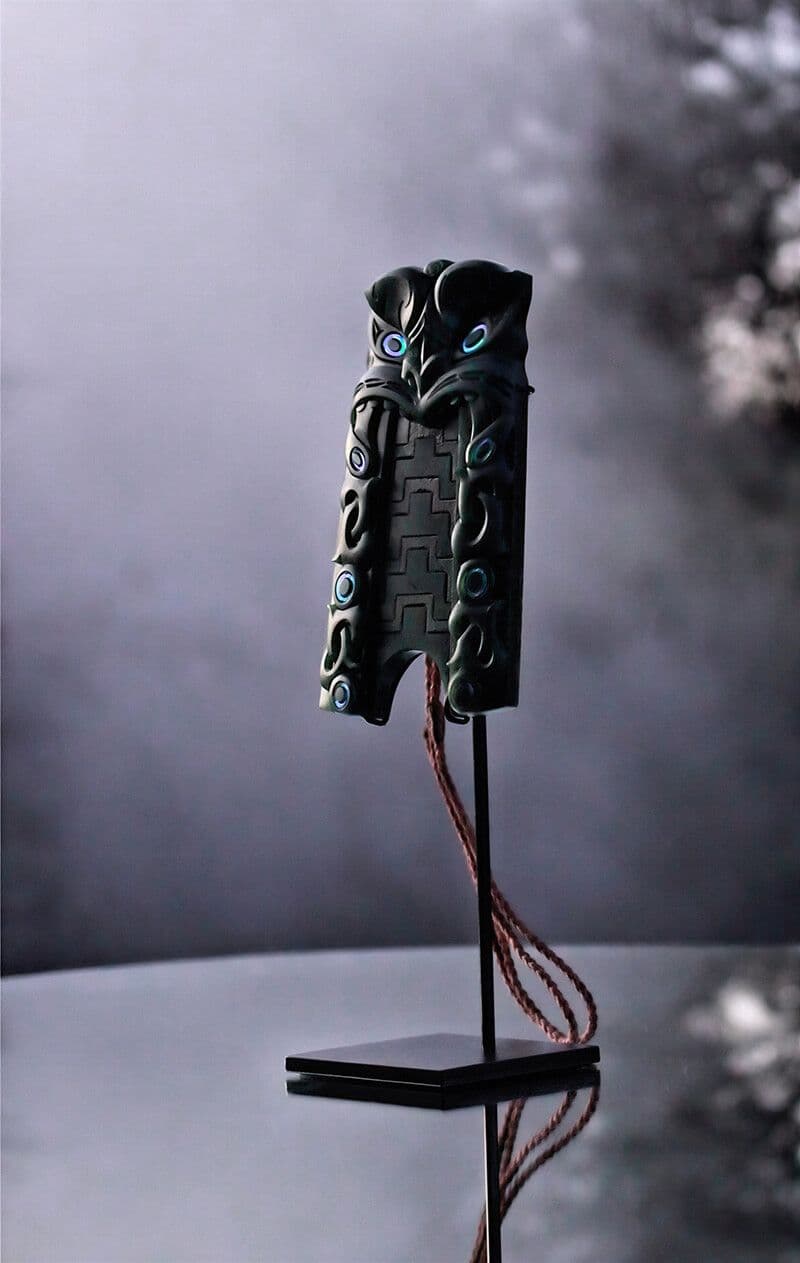
Hiwa-i-te-rangi is the whetū of aspiration, intention and dreams we hope to carry into the future. Hiwa invites us to look beyond the horizon and consider what we wish to nurture, achieve and become.
Stepping into the Māori New Year, we cross a waharoa, a threshold between reflection and renewal. It marks the moment where intention is set and possibility begins to take shape.
Flowing through the waharoa, the poutama pattern becomes the path forward. A symbol of growth, advancement and the pursuit of mātauranga.The poutama reflects the ongoing journey towards our aspirations entrusted to Hiwa-i-te-rangi. Upon the Waharoa also sit eight manaia, representing the whetū of Matariki, while the wheku above embodies Matariki herself, the mother star, connecting all others together.
Te Waharoa by Akapita Scally (SOLD)
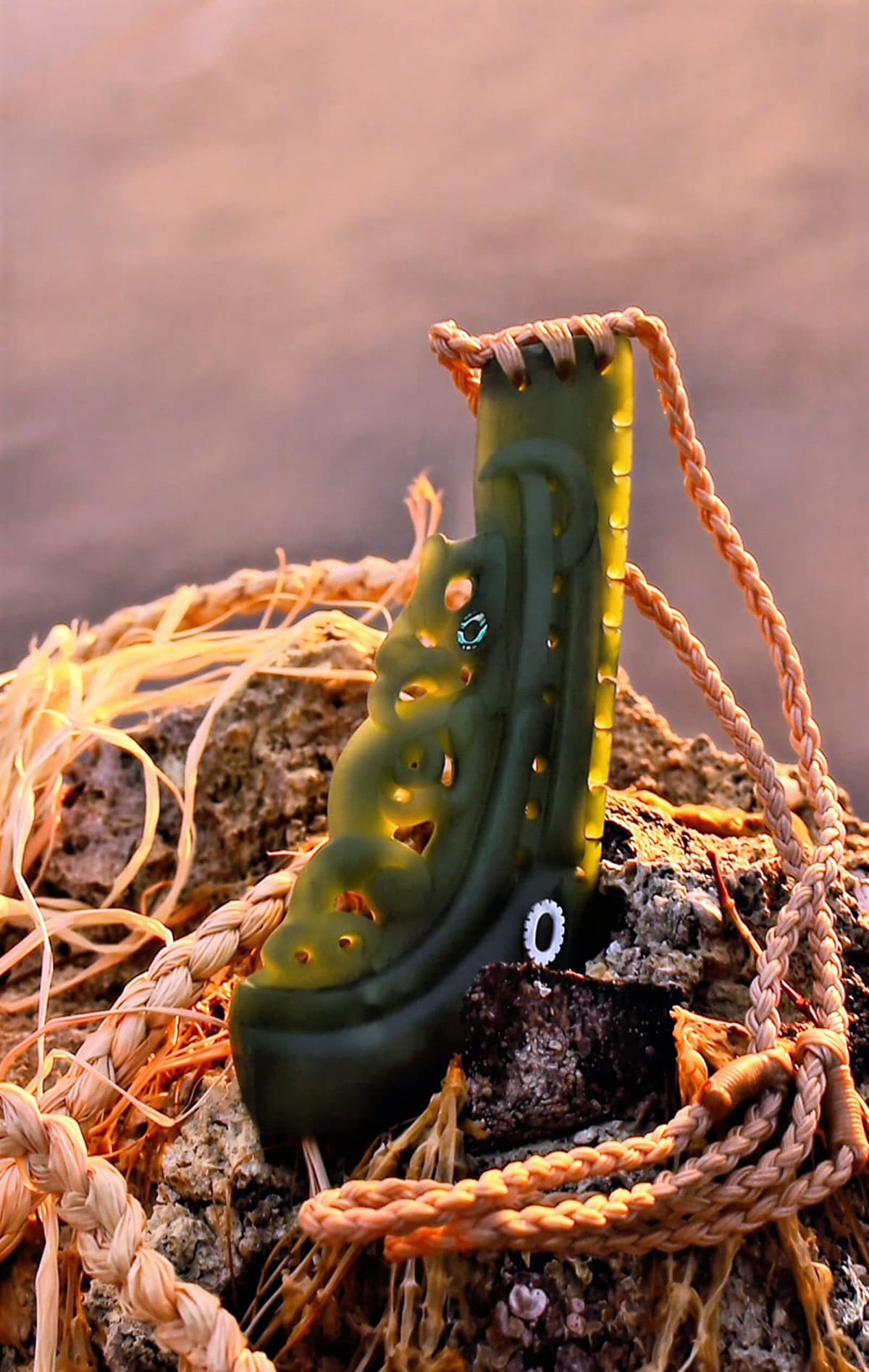
Pōhutukawa, a whetū of Matariki, is the star that calls us to remember those who have passed on. With this, we look to Te Waka o Rangi.
Te Waka o Rangi is the great celestial canoe that journeys across the night sky with Taramainuku as its rangatira. For eleven months of the year, Taramainuku casts his net, gathering the spirits of those who have passed. As the sun rises, the net is drawn in and the spirits are placed within Te Hao o Rua.
Nearing the end of the Māori year, Te Waka o Rangi descends beyond the horizon into the underworld. In a month's time, the waka returns and Taramainuku releases these spirits, placing them among the stars.
Laying at the base of the taurapa is the Kōtuku, a sacred bird believed to traverse the physical and spiritual realms, serving as a guide to accompany spirits on their journey back to Hawaiki.

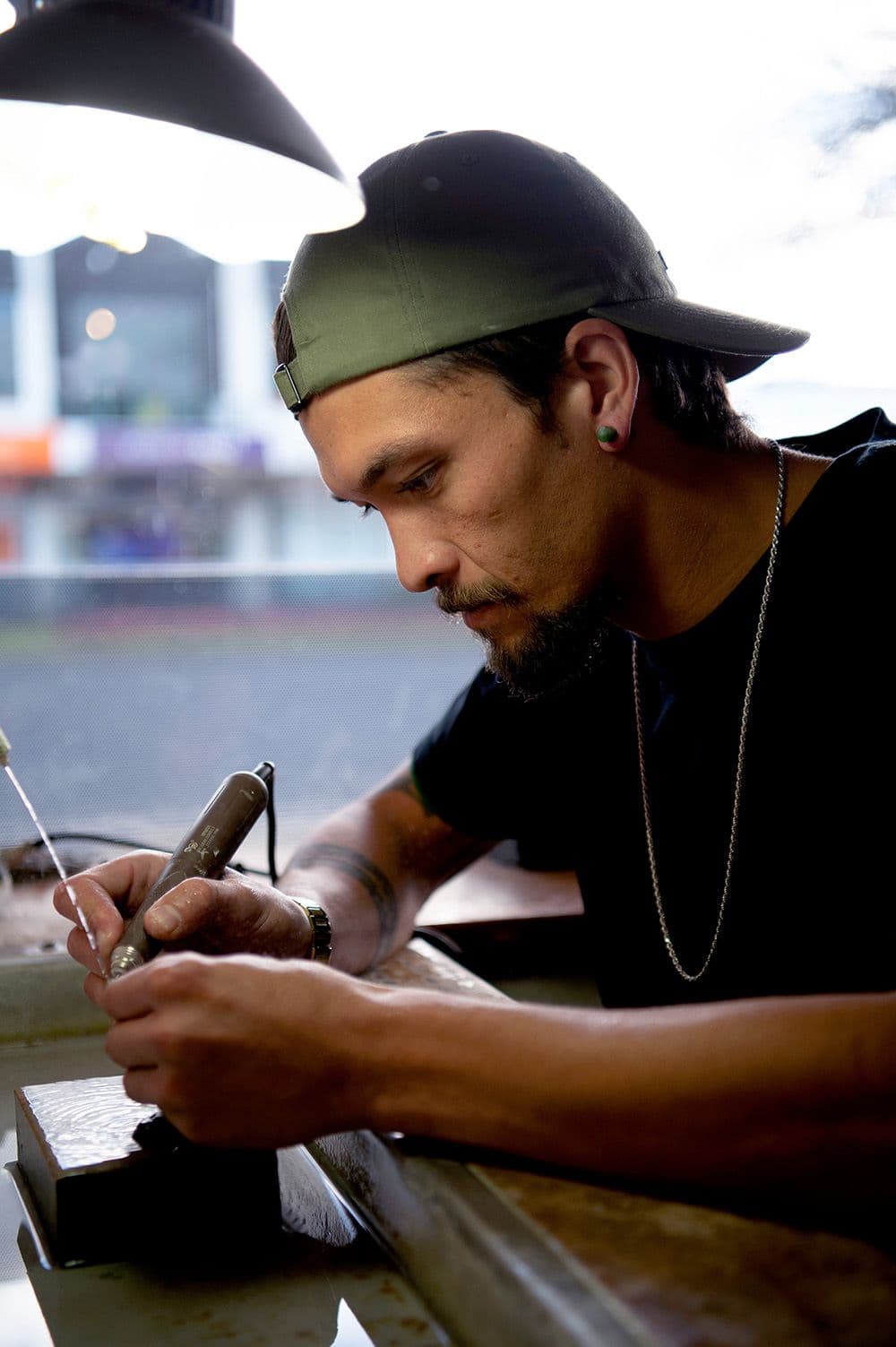
Expert carvers Dylan and Foua - two of the artists who have carved pieces, and who will be speaking at the exhibition.
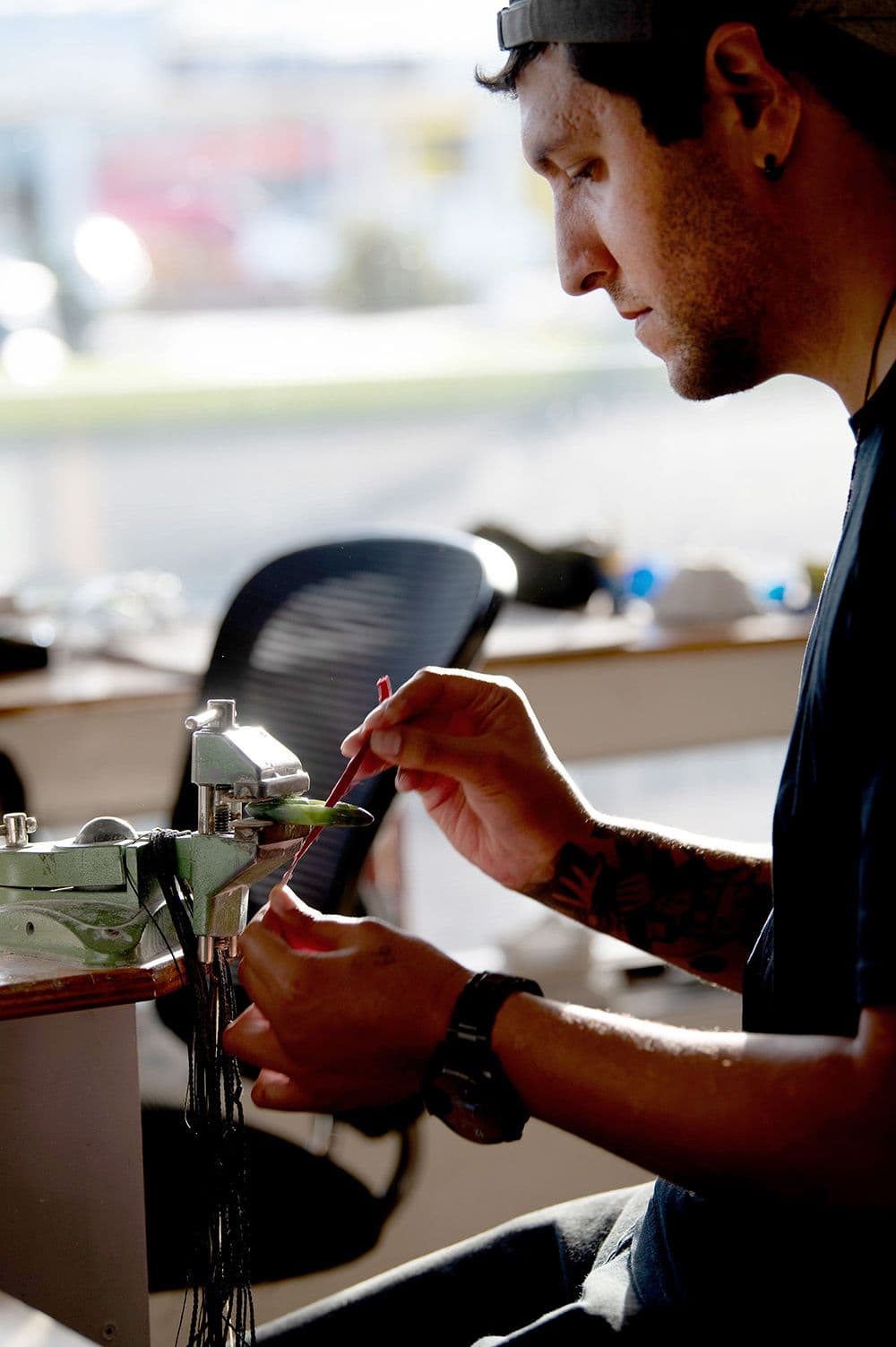
Join expert carvers from Mountain Jade Rotorua, Dylan Hati and Foua Aliki Tuielu, for an intimate insight into their craft.
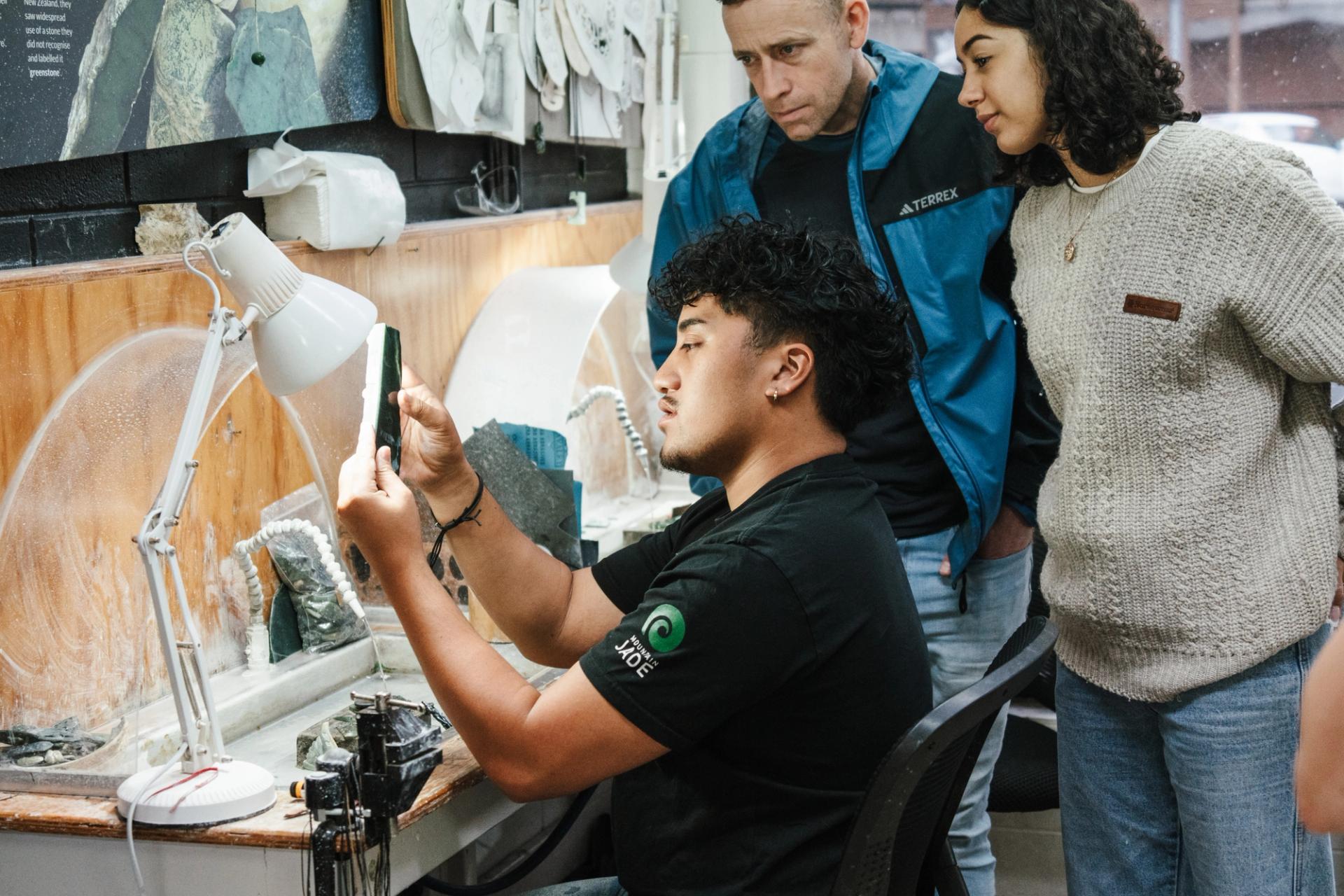
Across two days, Dylan and Foua will share the stories behind their exhibition pieces, exploring the inspiration drawn from Matariki and the Māori pūrākau that have shaped their work. Hear directly from the carvers about their creative process, their connection to pounamu, and the significance of Matariki within their carving practice. Alongside the exhibition, Dylan and Foua will showcase the tools of their craft, raw pounamu stone, and works in various stages of creation, offering a rare glimpse into the journey from stone to taonga.
Event Details: Wednesday 8 July and Thursday 9 July. Session times for both days (11:00am–11:30am, 12:00pm–12:30pm, 1:00pm–1:30pm, 2:00pm–2:30pm), in front of Mountain Jade Manawa Bay (view map). Free to attend. No booking required.
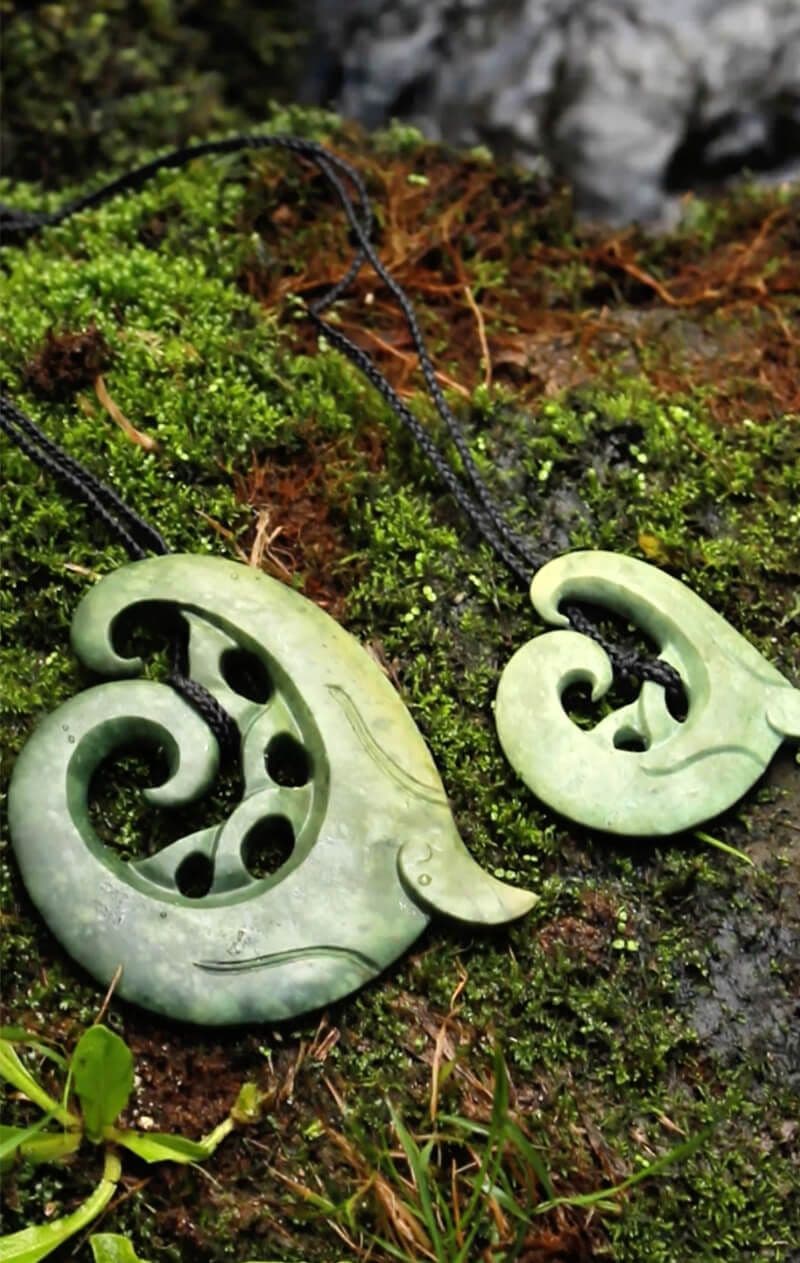
Waitī is the whetū connected to freshwater and the life it sustains. Flowing through rivers, streams and springs, its waters nourish and provide the resources needed for communities to thrive. Waitī reminds us that sustenance is not simply gathered but earned through patience, knowledge and protection.
Kupenga Matau brings these ideas together through the form of twin Hei Matau adorned with kupenga detail (fishing net). Traditionally associated with cultivation and knowledge, the hook speaks to the relationship between people and the waters of Waitī. Three koru emerge, a symbol of unfolding growth and evergrowing potential.
Like a kupenga cast across the whenua, the waters of Waitī weave themselves across our landscape, binding together like strands, in the form of rivers, lakes and streams.
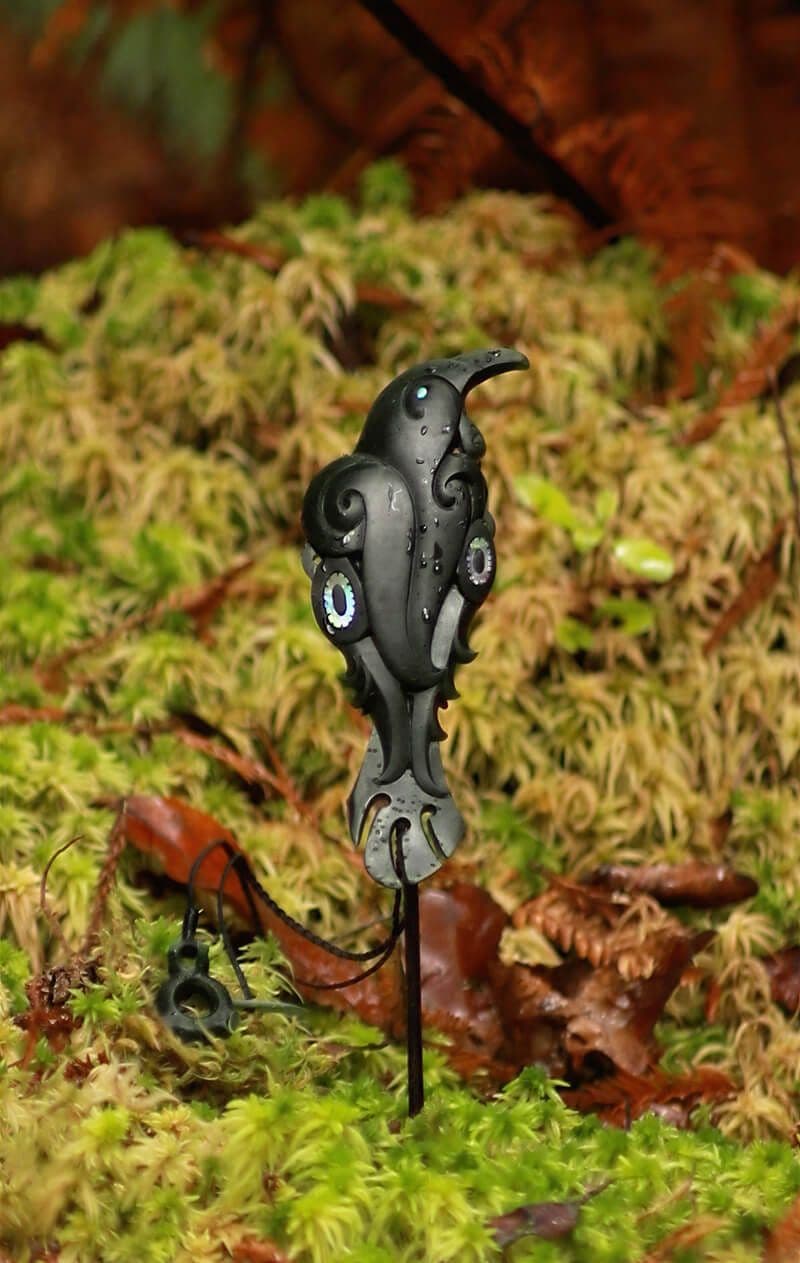
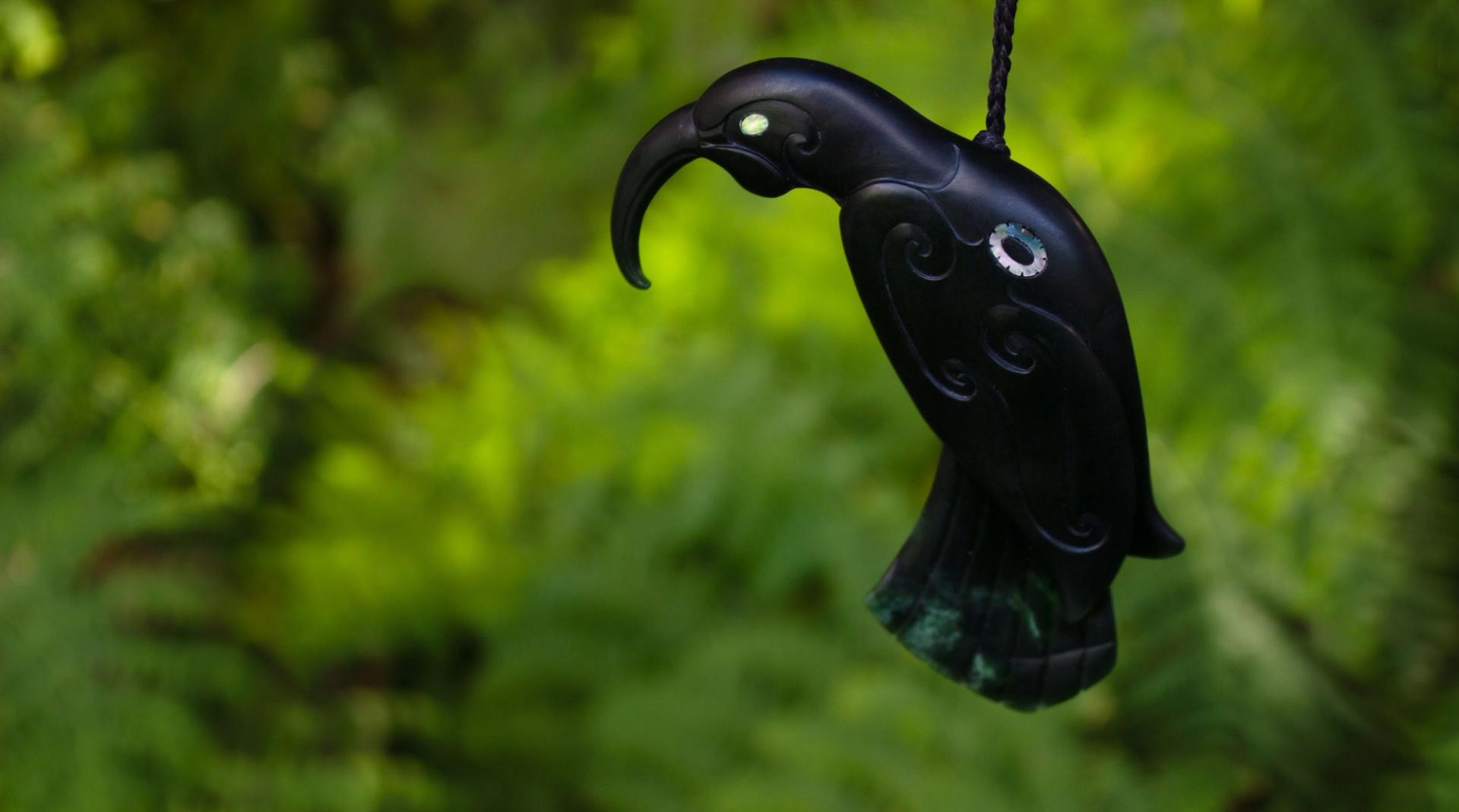
Inspired by the Tūī, ‘Tīmori’ is an embodiment of Tupuārangi, the whetū of all that flourishes in the realm between the earth and sky - birds, forests, and the abundance of fruit and berries.
The Tūi carries a manaia upon each wing, symbolising the connection between Ranginui and Papatūānuku, atua of the upper and lower realms. Together they speak to their enduring relationship of balance and harmony, from which the natural world flourishes.
Suspended from the cord is a pōria, a traditional tool once used for taming decoy birds to attract others for sustenance. Its inclusion acknowledges the mātauranga and ancient practices of our ancestors, reflecting their relationship with the environment, grounded in reciprocity and reverence for the interconnectedness of all living things.
Tīmori by Dylan Hati (SOLD)
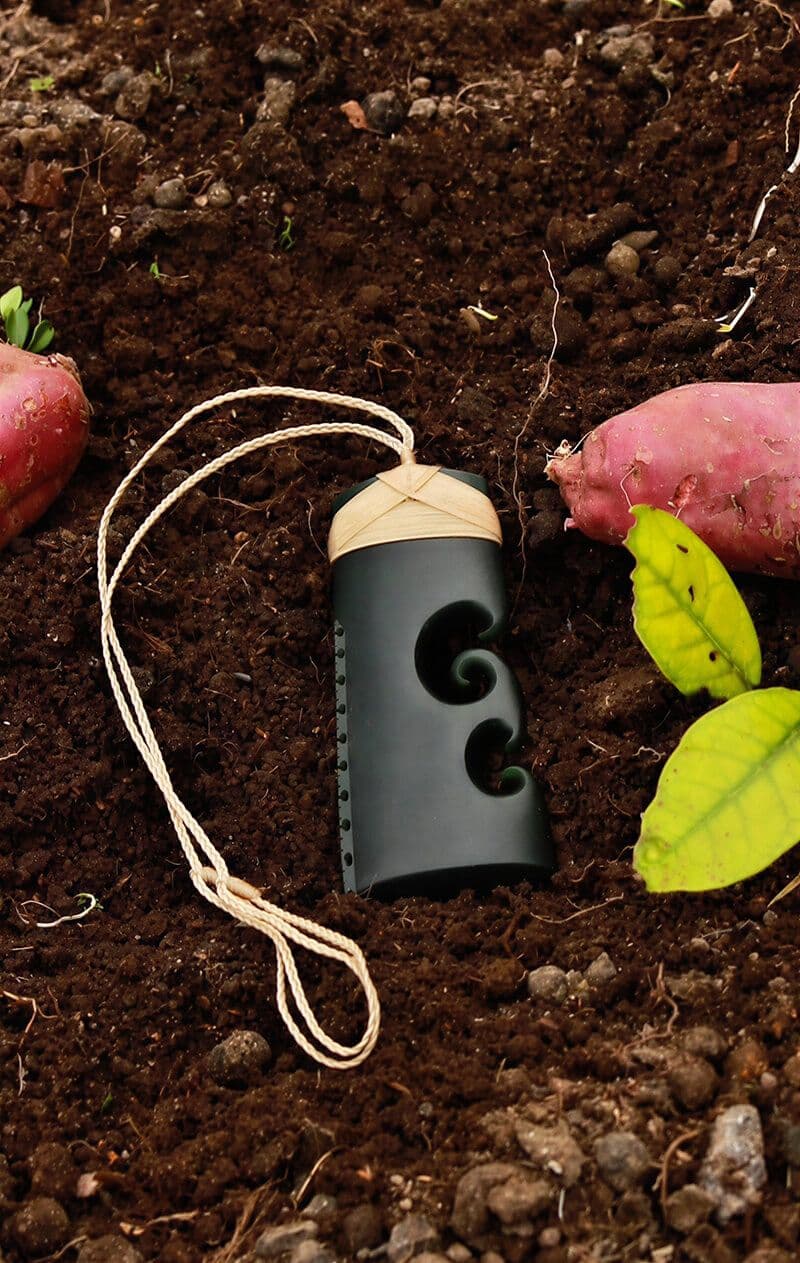
Tupuānuku is the whetū connected to all that is cultivated and gathered from the earth. Tupu, to grow, and nuku, drawn from Papatūānuku, from which kai emerges and whose generosity nourishes our gardens.
Inspired by this domain, the toki reflects the work of cultivation. More than a tool, it represents the hands that prepare the whenua, the knowledge passed between generations, and the care required for growth to flourish.
Flowing through the form, koru unfurl like the new shoots breaking through soil, carrying the potential of new life.
The guardianship of Tupuānuku reminds us that abundance does not arrive all at once, but is nurtured through patience and care for the earth.
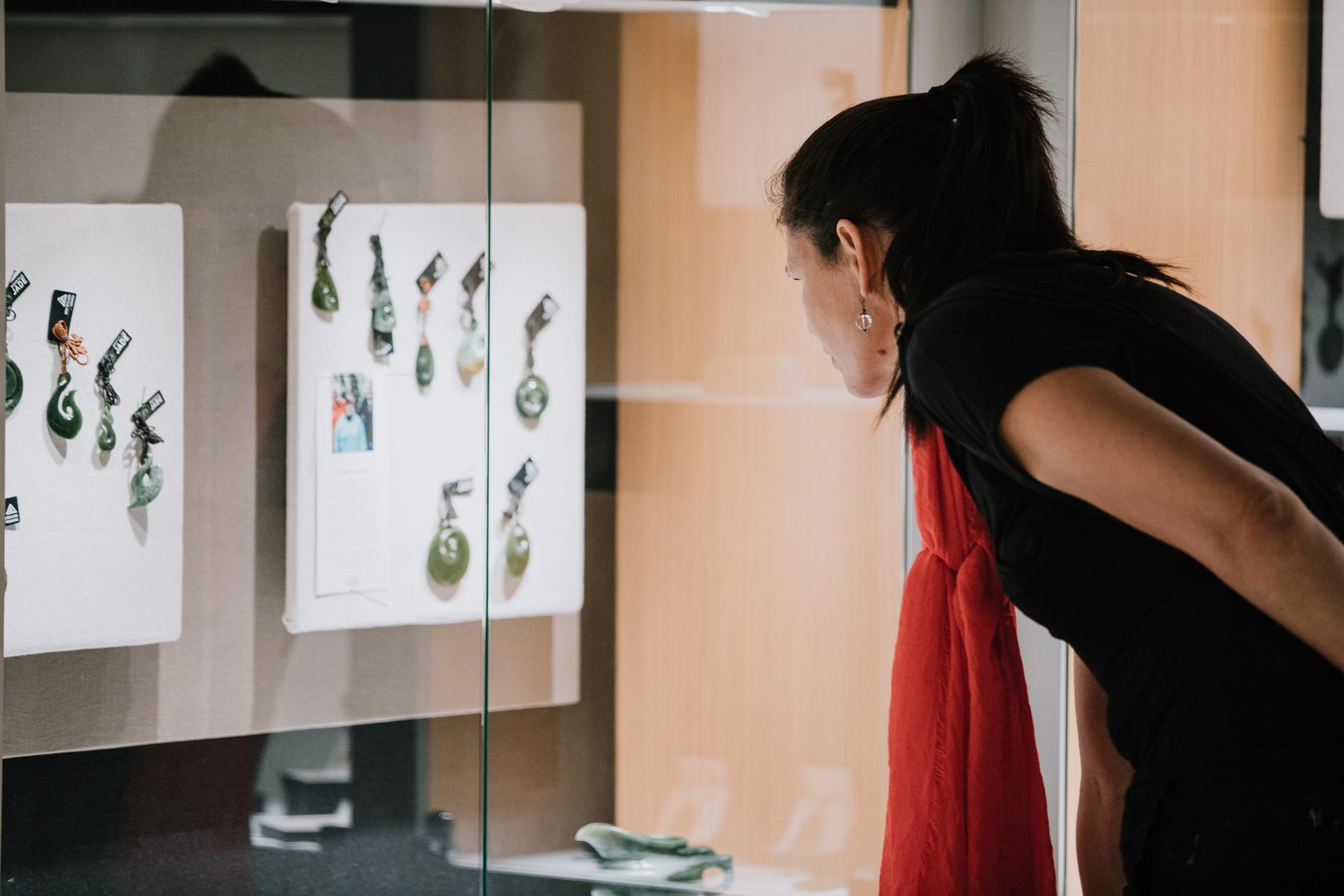
This Matariki, Mānawa Bay is proud to partner with Mountain Jade to celebrate te tau hou Māori through the beauty of contemporary pounamu carving, inspired by the nine whetū of Matariki. Discover a special exhibition featuring handcrafted pendants by eight Mountain Jade carvers. The exhibition brings together a collection of wearable sculptures that explore themes of Māori culture, renewal, connection, and the natural world through the lens of Matariki.
Exhibition Details: 23 June to 19 July, 10am-7pm, in front of Mountain Jade Mānawa Bay (view map), free to attend, no booking required. Visit throughout the exhibition period to experience this unique collection of pounamu carvings inspired by the stars of Matariki.